Whispers in Stone: Kyoto’s Temples and Gardens Where Centuries Breathe in Silence
Amidst Cherry Blossoms and Bamboo Groves, Discover a City That Pauses Time, Inviting You to Wander Through Layers of History and Reflection
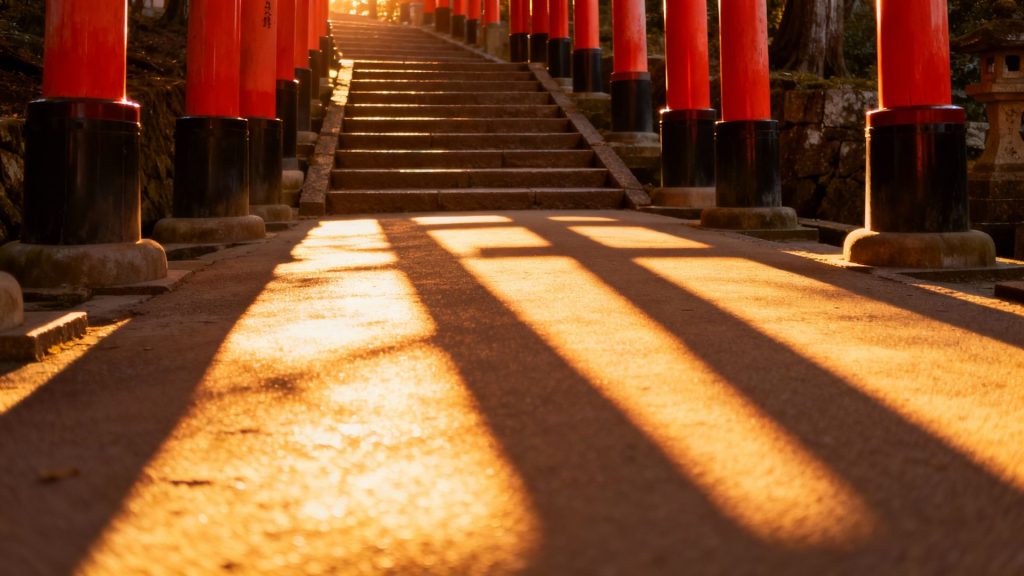
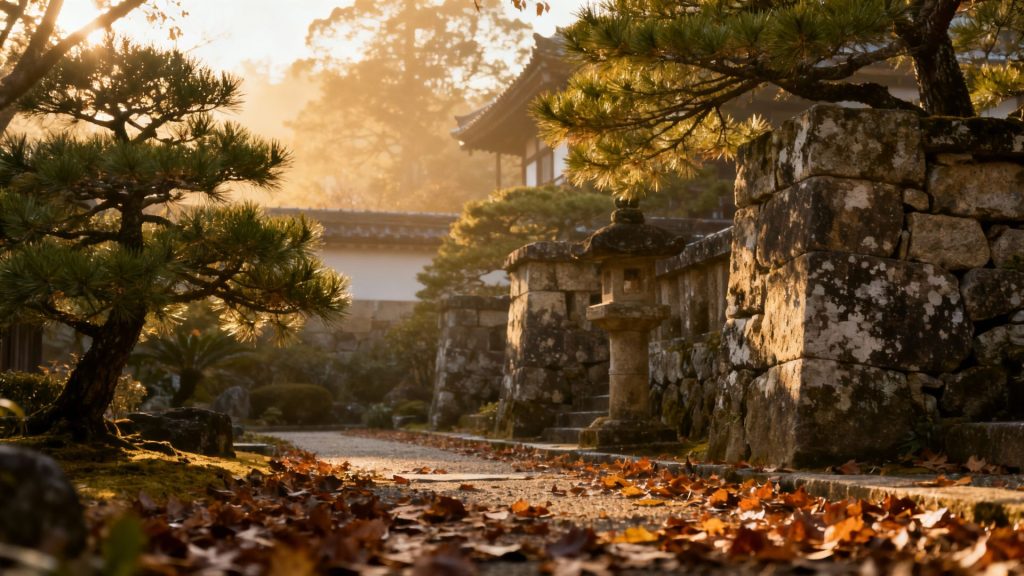
As dawn unfurls over Kyoto, a soft mist clings to moss-covered stone paths, and the resonant chime of a distant temple bell cuts through the stillness, instantly transporting you to a world where the past whispers through every crevice. The air, crisp and fragrant with dew-kissed earth and lingering incense, awakens senses long forgotten, wrapping you in a cocoon of tranquility that feels both ancient and immediate. Here, in this city of a thousand shrines, time doesn’t just slow; it suspends, allowing the weight of centuries to settle like a gentle embrace, evoking memories you never knew you held.
At its heart stands Kinkaku-ji, the Golden Pavilion, its gilded facade shimmering on the mirror-like pond, where morning light dances in golden ripples against a backdrop of emerald forests. This iconic sanctuary, reborn from ashes, embodies resilience and ephemeral beauty, its reflection a silent testament to Japan’s enduring spirit. Visitors are drawn not merely by its visual splendor but by the profound calm it instills—a reminder of life’s fleeting nature, where the interplay of light and water creates a meditative rhythm that resonates deep within the soul.
Beyond the glitter, Kyoto’s essence lies in its Zen gardens, such as Ryoan-ji’s rock expanse, where fifteen stones rest on raked gravel, inviting contemplation without distraction. Devoid of flowers or water, this minimalist design distills nature into pure simplicity, echoing the philosophy of wabi-sabi—finding beauty in imperfection and transience. It’s a space where the mind can wander freely, reflecting on the eternal cycles of existence, and where the quietude speaks volumes about humanity’s quest for harmony with the natural world.
As seasons shift, Kyoto transforms with breathtaking grace: spring cloaks the city in delicate cherry blossoms, painting temples in soft pinks, while autumn ignites hillsides with fiery maples, each hue a vivid chapter in nature’s timeless story. Walking the Philosopher’s Path in fall, the crunch of leaves underfoot and the canopy of crimson above create a sensory tapestry that mirrors the passage of years, stirring echoes of bygone days and the promise of renewal with every step.
To fully immerse, engage all senses: sip matcha in a traditional tea house, its earthy bitterness mingling with serene surroundings, or wander Arashiyama’s bamboo grove, where the rustle of towering stalks weaves a soothing melody that has calmed generations. These experiences anchor you in the present, forging a personal connection to the land’s history through sound, scent, and touch, transforming observation into intimate participation.
Ultimately, Kyoto transcends mere travel; it’s a pilgrimage into the self, where landscapes steeped in history become mirrors for our own narratives. Standing before an ancient shrine, you’re not an outsider but a thread in an unbroken tapestry of human experience, sparking introspection and a quiet nostalgia for moments both lived and imagined. In this dialogue between traveler and terrain, the city whispers that every step carries the ghosts of the past and the dreams of tomorrow, inviting you to find your place in the eternal flow.