Where Stone Whispers to Water: Venice’s Liquid Memory in Dawn’s First Breath
Navigating Canals That Hold Centuries in Their Ripples, Where Every Bridge Becomes a Threshold to Forgotten Echoes
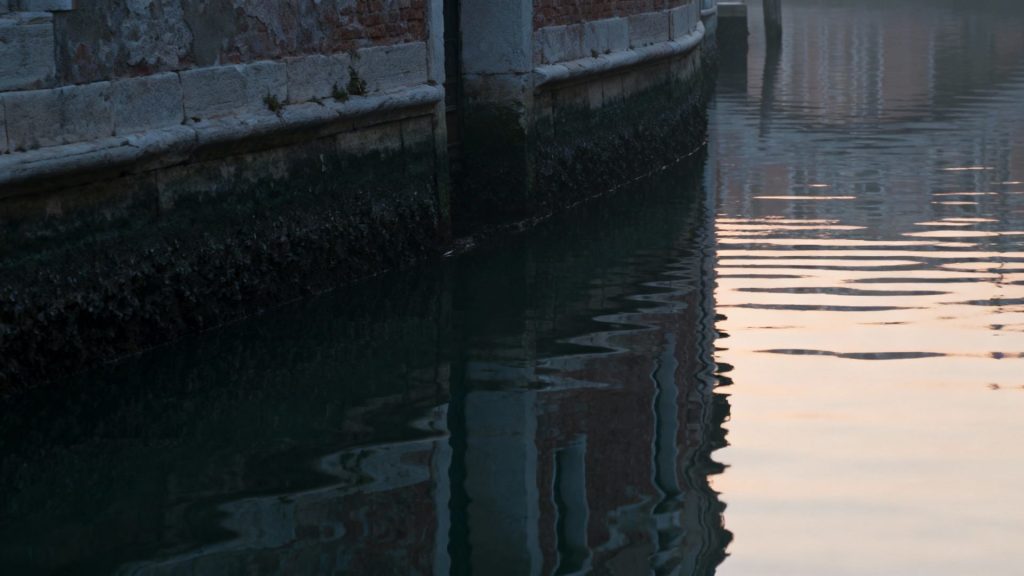
Before the gondoliers’ first call pierces the silence, Venice exists in liquid monochrome. Dawn mist rises like phantom silk from the canals, softening Byzantine arches into ghostly silhouettes. Your footsteps echo on deserted fondamenta stones, each hollow sound a conversation with Crusader merchants and Renaissance painters who once tread these same damp flagstones. The air tastes of salt-kissed decay and wet limestone – an olfactory parchment where history dissolves into the present.
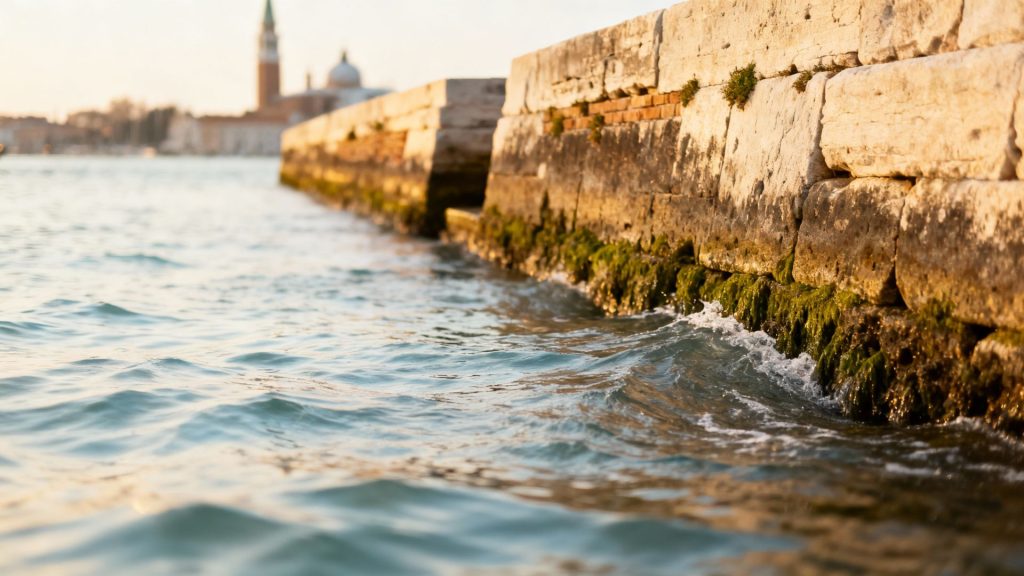
Observe how light transforms the Grand Canal into molten mercury. Sunbeams fracture through traceried windows of Ca’ d’Oro, scattering gold flecks across water that has reflected Doges’ parades for eight hundred years. These buildings don’t merely stand beside water; they emerge from it like coral reefs, their foundations perpetually whispering secrets to the Adriatic. Notice the algae-stained steps where high tides leave their calling cards – nature’s gentle reminder of who truly rules this liquid realm.
Venice’s genius lies not in defiance of the sea but in aquatic symbiosis. See how every doorway sits elevated like a heron’s nest, how marble lions wear tidal markings like ceremonial collars. The absence of wheeled vehicles creates a city-scale water organ: the slap of waves against brick, the creak of mooring ropes, the distant chime of San Giorgio’s bell across the lagoon. Here, human existence follows aquatic rhythms – rising with acqua alta, receding with the tide’s exhalation.
Return at twilight when sodium lamps transform ripples into liquid topaz. The Rialto Bridge becomes a cameo of ochre and shadow, its arches framing gondolas that glide like black swans. Come November when sea mists blur campaniles into Giacometti sculptures, or February when acqua alta turns Piazza San Marco into a reflecting pool for Byzantine domes. Each season rewrites the city’s palimpsest – winter’s stillness sharpening stone details, summer haze softening angles into impressionist dreams.
To truly know Venice, become a sensory archivist. Let your fingertips trace scallop-shell carvings on a Dorsoduro doorway – tactile braille from the 15th century. In hidden campi, inhale the perfume of damp linen drying beside jasmine vines. At midnight, listen for the spectral orchestra: water lapping brick, distant ferry horns, the subsonic hum of tides shifting beneath palazzo floors. Taste the cicheto’s anchovy tang as seagulls wheel above fish markets where generations have bargained over Adriatic harvests.
This city exists in perpetual conversation between past and present. Every wave that licks a crumbling step is rewriting history; every restored fresco is a palimpsest over loss. To stand on Zattere at sunset watching freighters glide toward the industrial glow of Mestre is to witness time’s double exposure – the serene and the functional forever intertwined. Venice teaches that beauty isn’t frozen in glass but flows like tides, asking only that we pause to hear stones whisper and water remember.