Whispers in Rose-Red Stone: Where Desert Wind Carries Millennia of Silence
Beneath Jordan’s relentless sun, ancient Petra emerges from sandstone cliffs, its carved facades holding breathless stories in every sun-warmed crevice and shadowed colonnade.
The Siq canyon narrows like a stone serpent, its towering walls of striated ochre and rust closing overhead until only a ribbon of cerulean sky remains. Your footsteps echo in the sudden coolness, a solitary rhythm against geological time. Then, through the final fissure, Al-Khazneh reveals itself—not as ruin but as revelation, its Hellenistic pediments glowing with morning light that seems poured from within the rock itself. Sand grits beneath your soles, carrying the mineral scent of mountains older than human memory.
This is no mere necropolis; it is a symphony in sandstone. Beyond the Treasury’s grandeur, the valley unfolds in terraced tombs whose facades mimic Roman temples and Nabatean dreams. Sun-bleached steps ascend to the Monastery, Ad-Deir, where wind hums through empty windows framing infinite desert. Each curve of chiseled column, each eroded capital, speaks of artisans who transformed living rock into permanence, their tools replaced by erosion’s patient fingers over two thousand monsoons.
The genius lies not in ornamentation alone but in whispered conversation with the desert. Ingenious channels carved along cliff faces still catch winter rains, funneling lifeblood into cisterns that sustained caravans bearing frankincense from Yemen. Observe how tombs align with solstice light, how theater seats face wadis where flash floods once roared. Here, civilization didn’t conquer wilderness—it danced with it, reading star patterns in night skies and water veins in stone.
Dawn transforms the rock into molten gold, sharpening shadows in tomb entrances like doors to forgotten worlds. By midday, heat shimmers above the Street of Facades, bleaching color to pale honey. But return at dusk: watch the cliffs deepen to blood-wine hues as the setting sun sets the High Place of Sacrifice ablaze. In rare winters, snow dusts the sandstone like powdered sugar over a millennium-old cake—nature’s gentle joke on eternity.
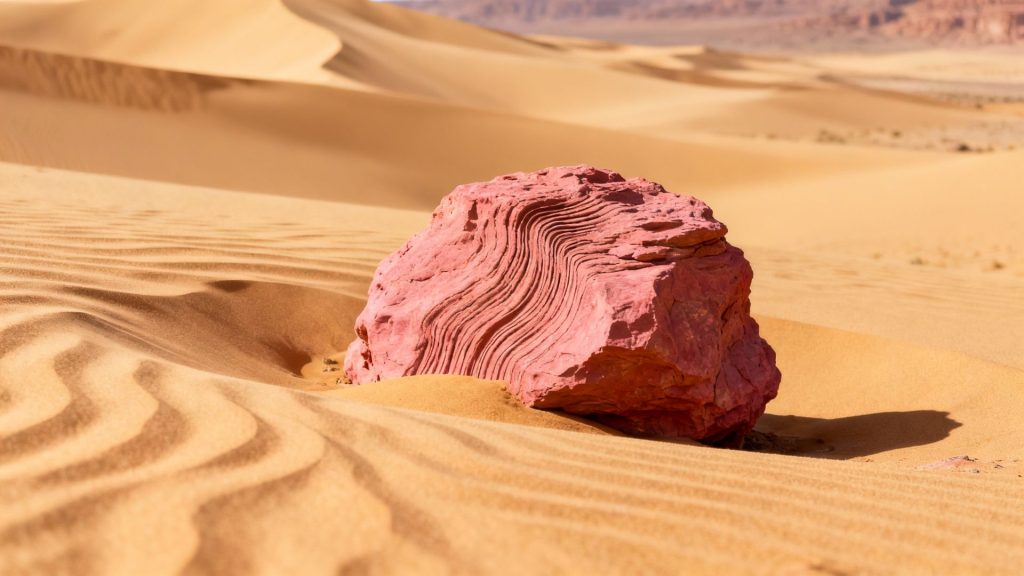
Place your palm against sun-warmed rock; feel its granular kiss and stored solar heat. Listen for the skittering of lizards, the wind’s mournful flute-song through empty tombs. Taste the dry air on your tongue, carrying microscopic desert bloom after rains. When night falls, the Milky Way arches over the Siq, so brilliant it seems reflected in the wadi’s occasional puddles—celestial and earthly waters merging.
Petra offers no easy metaphors. These stones outlived their makers, saw empires rise and crumble, endured earthquakes and rediscovery. They ask only silent presence—not reverence, but recognition of time’s vast tapestry. As you trace a weathered capital with your gaze, you become the latest thread in a narrative woven not of conquest, but endurance. The desert wind still whispers through colonnades, carrying tales only the patient can hear.