
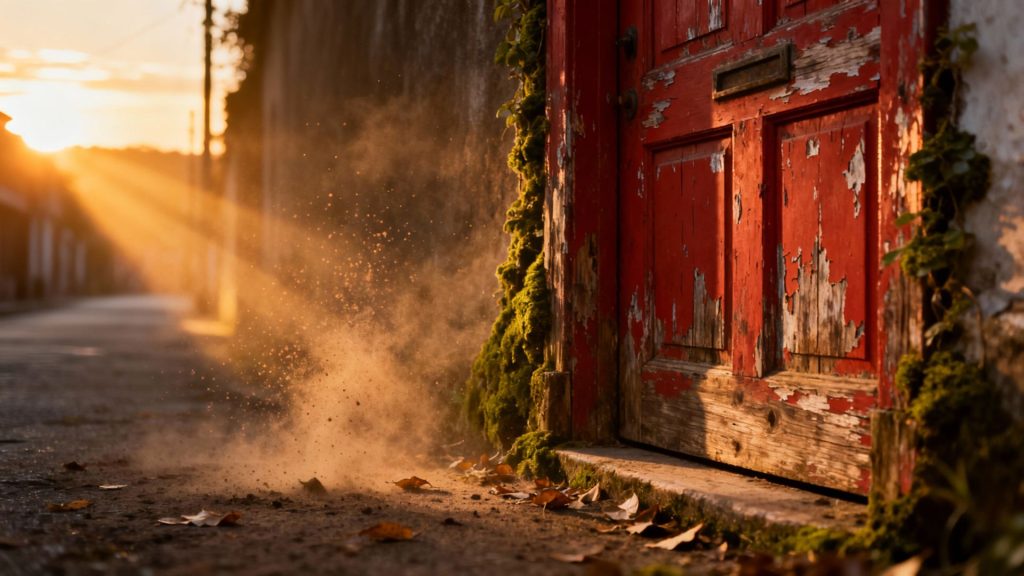
Whispers of Vermilion Gates: Where Time Pauses and Memories Awaken
A Journey Through Fushimi Inari’s Endless Torii Paths, Unfolding Layers of History and Serenity
Stepping beneath the first vermilion arch, the air shifts—cool and damp, carrying the scent of moss and ancient wood, as if the mountain itself exhales a welcome. Sunlight filters through the canopy, dappling the stone path with golden flecks, while the distant murmur of a stream weaves through the silence, pulling you deeper into a corridor where centuries stand still. This is Fushimi Inari, a sanctuary where every footfall echoes with the weight of pilgrimage, a place not just seen but felt, where the soul finds its rhythm in the quiet hum of nature.
The heart of this shrine lies in its thousand torii gates, a cascade of crimson that winds like a river through the forested slopes. Each gate, a vibrant stroke against the emerald backdrop, forms a tunnel of light and shadow, where the play of sun and shade creates a living tapestry. At dawn, the gates glow with an inner fire, casting long, dancing patterns on the dew-kissed ground; by noon, they blaze under the sky, a bold contrast to the whispering pines. The sheer scale overwhelms—a testament to devotion, with every gate donated by hands seeking blessings, their inscriptions whispering tales of hope across generations.
Beyond the visual splendor, Fushimi Inari embodies the spirit of Inari, the Shinto deity of rice and prosperity, whose presence infuses the land with a quiet reverence. The shrine’s design, with paths winding organically around the mountain, reflects a harmony between human faith and natural contours—no grand impositions, only humble adaptations. Stone foxes guard the entrances, symbols of messengers, their watchful eyes hinting at ancient rituals where offerings of rice and sake bridged the earthly and divine. Here, history isn’t displayed in museums but lived in the rustle of prayer flags and the soft chime of bells, a continuous thread of tradition that binds community to cosmos.
As the day unfolds, the landscape transforms—a chameleon of moods. In autumn, the gates blaze against a riot of maple reds and golds, the air crisp with the scent of fallen leaves; winter cloaks the path in snow, turning the vermilion into stark jewels against the white silence. At dusk, lanterns flicker to life, casting long, ghostly shadows that dance with the evening breeze, while the fading light paints the sky in hues of lavender and rose. These shifts aren’t mere changes; they’re seasons of the soul, each moment a reminder that beauty is fleeting yet eternal, inviting quiet contemplation as day yields to night.
To truly embrace this place, engage all senses: tread softly on the gravel paths, feeling the earth beneath; listen for the distant call of birds or the rustle of bamboo in the wind; inhale the mingled fragrances of cedar and incense. Pause at a clearing to watch sunlight pierce the canopy, or follow a side trail to a hidden pond, its surface mirroring the sky. Carry no expectations, only openness—let the cool mountain air cleanse the mind, the rhythmic ascent become a meditation, and the occasional glimpse of Kyoto below anchor you in the present, where every step is both a journey and a homecoming.
In the end, Fushimi Inari isn’t just a destination; it’s a dialogue between wanderer and wilderness, a space where solitude breeds connection. As you descend, the gates recede like receding tides, leaving behind not souvenirs but imprints—a quiet ache for places untouched by time, a gentle nudge to seek the sacred in the ordinary. It whispers that travel is less about arrival and more about the echoes we carry, the memories that surface unbidden, long after the path has faded from view.