Whispers on the Water: Venice’s Liquid Labyrinth Where Time Floets in Silent Ripples
Navigating the timeless canals of Venice, each stone bridge and shimmering reflection tells a story of centuries past, inviting wanderers to drift into a world suspended between dream and memory.
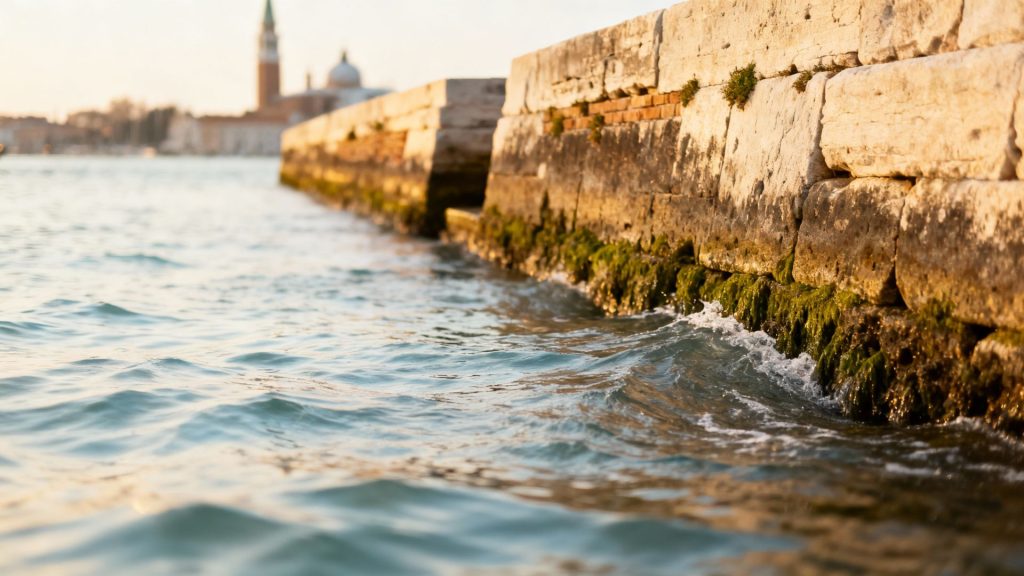
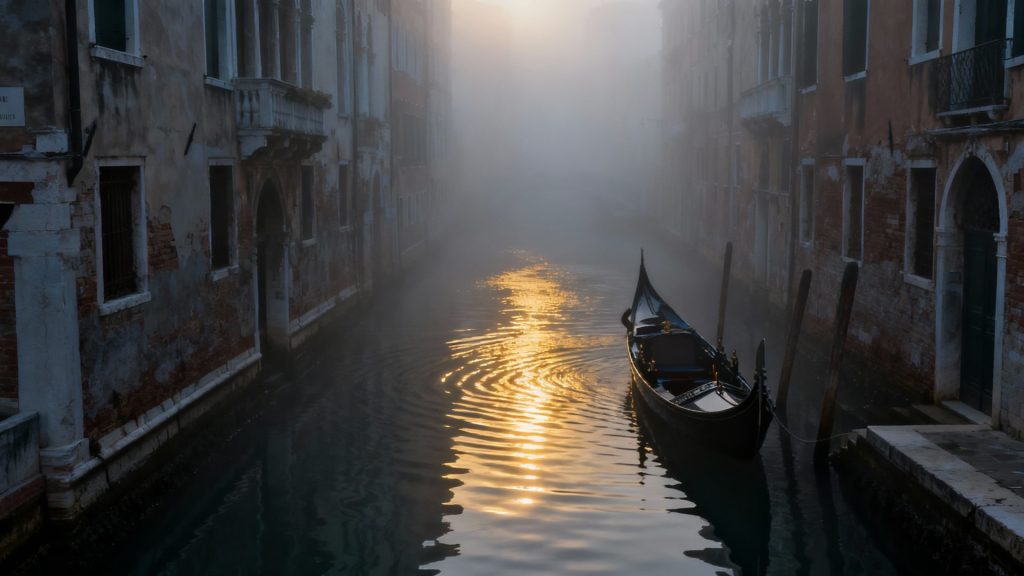
As dawn breaks over the lagoon, a hush descends upon the floating city, broken only by the gentle lapping of water against ancient stone. The first rays of sun paint the facades in hues of gold and rose, casting long shadows that dance on the rippling surface of the canals. Gondolas glide silently, their sleek forms cutting through the mist like ghosts of history, while the air carries the faint scent of salt and damp earth. In this quiet hour, Venice awakens not with a shout, but with a whisper, drawing you into its embrace where every ripple seems to echo the footsteps of generations past. The city feels less like a place and more like a living tapestry, woven from water and light, where the boundaries between past and present blur into a seamless whole.
The Grand Canal unfurls like a liquid ribbon, flanked by palaces that rise from the water with an air of timeless elegance. Each building, adorned with intricate carvings and faded frescoes, stands as a testament to Venice’s golden age of commerce and art. Bridges arch gracefully overhead, their stone curves framing views of gondoliers navigating the currents with practiced ease. As you drift beneath the Rialto Bridge, the reflections in the water double the world, creating a mirrored realm where reality and memory intertwine. Here, the architecture speaks of adaptation—how a city built on water defied nature through ingenuity, its foundations sinking into the lagoon like roots into history. The play of light on weathered stone and shimmering surface evokes a sense of continuity, as if the very essence of Venice is preserved in these liquid streets, waiting to be rediscovered with each passing tide.
Beneath the surface beauty lies a deeper narrative of resilience, where Venice’s spirit is etched in every canal and campo. The city’s history as a maritime republic pulses through its veins, visible in the way the buildings lean towards the water, as if in conversation with the sea. Traditional techniques, like the use of wooden pilings driven deep into the mud, reveal how generations adapted to the ebb and flow of tides, turning vulnerability into strength. In the quiet corners of Dorsoduro or Cannaregio, the absence of modern noise allows the whispers of artisans and merchants from centuries ago to linger—a reminder that this is a place where human endeavor harmonized with nature. The absence of cars amplifies the sounds of water and wind, creating a symphony that feels both ancient and immediate, inviting contemplation of how such a fragile city endures, its soul anchored not in stone, but in the collective memory of those who navigate its paths.
As the day unfolds, Venice transforms with the shifting light, revealing new facets of its character with each passing hour. Morning mist gives way to the brilliance of midday, when the sun bathes the canals in a crystalline glow, highlighting the vibrant blues and greens of the water. By evening, the city dons a cloak of twilight, with lanterns casting warm pools of light on the rippling surface, turning the canals into rivers of gold. Seasons bring their own magic: in spring, blossoms frame the bridges in soft pinks, while autumn mists wrap the city in a veil of mystery, and winter’s chill etches frost on the stone, making the reflections sharper, more poignant. These changes are not mere backdrops but active participants in the city’s story, each shift in light or weather deepening the sense of timelessness, as if Venice exists in a perpetual state of becoming, forever caught between the ephemeral and the eternal.
To truly absorb Venice, engage all your senses: drift along the lesser canals in a gondola, feeling the gentle rock of the boat as it navigates narrow passages, the sound of water a constant companion. Walk the cobbled streets, where the scent of fresh seafood from market stalls mingles with the damp earthiness of the lagoon. Pause in a hidden campo to listen to the distant bells of San Marco, their chimes echoing across the water like calls from another era. Taste the simplicity of cicchetti in a bacaro, where the flavors—briny olives, sharp cheeses—connect you to the land and sea. This sensory journey is not about sightseeing but about immersion, allowing the city to seep into your bones, awakening dormant memories of places you’ve never been but somehow recall. It is in these quiet moments, as light dances on water and stone whispers secrets, that Venice becomes a mirror, reflecting not just its own history, but fragments of your own past.
In the end, Venice offers more than a destination; it is a dialogue between traveler and terrain, where the act of wandering becomes a meditation on impermanence and endurance. Standing on a bridge at dusk, watching the last light fade from the facades, you realize that the city’s true power lies not in its monuments, but in its ability to evoke a shared human experience—the longing for connection, the ache of nostalgia for times unremembered. Here, the water holds memories like a vessel, and the stones bear witness to countless passersby, each leaving an invisible imprint. As you depart, the echoes of lapping waves and rustling sails linger, a gentle reminder that in Venice, the past is never truly gone; it floats on, inviting you to return, to rediscover, and to find your own story reflected in its liquid heart.