A Journey Through Vermilion Arches: Where Time Whispers in Kyoto’s Sacred Mountains
Discovering the Soul of Japan Through Endless Torii Gates and Ancient Trails That Echo with Centuries of Devotion
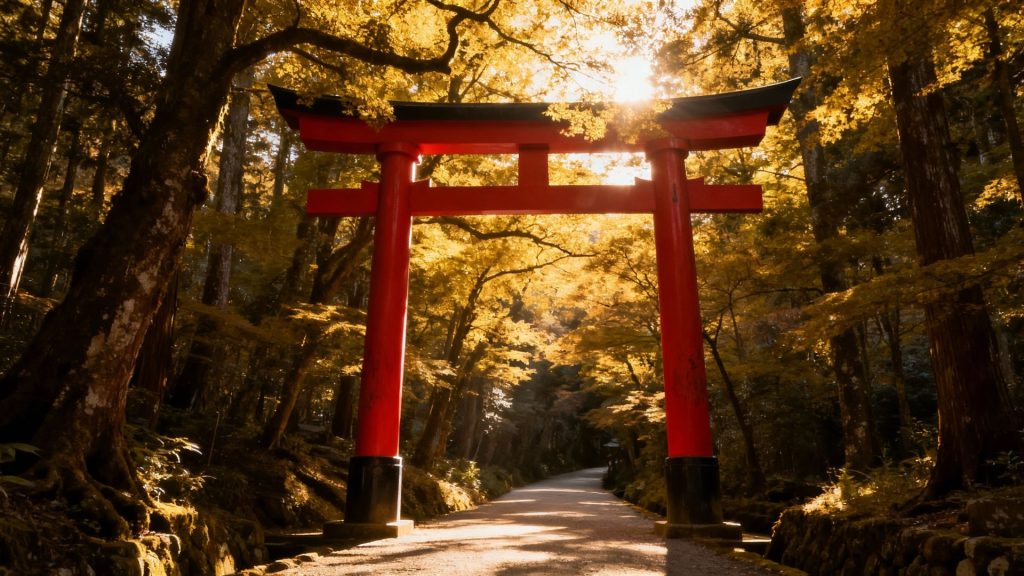
As dawn unfurls over the eastern horizon, the first golden light spills through the dense canopy of Mount Inari, igniting the vermilion torii gates of Fushimi Inari Shrine in a soft, ethereal glow; the air, crisp and cool, carries the earthy scent of damp moss and ancient cedar, while the distant chime of temple bells drifts like a forgotten melody, instantly transporting you into a realm where centuries dissolve into the present moment, and every breath feels like a communion with the silent spirits of the past.
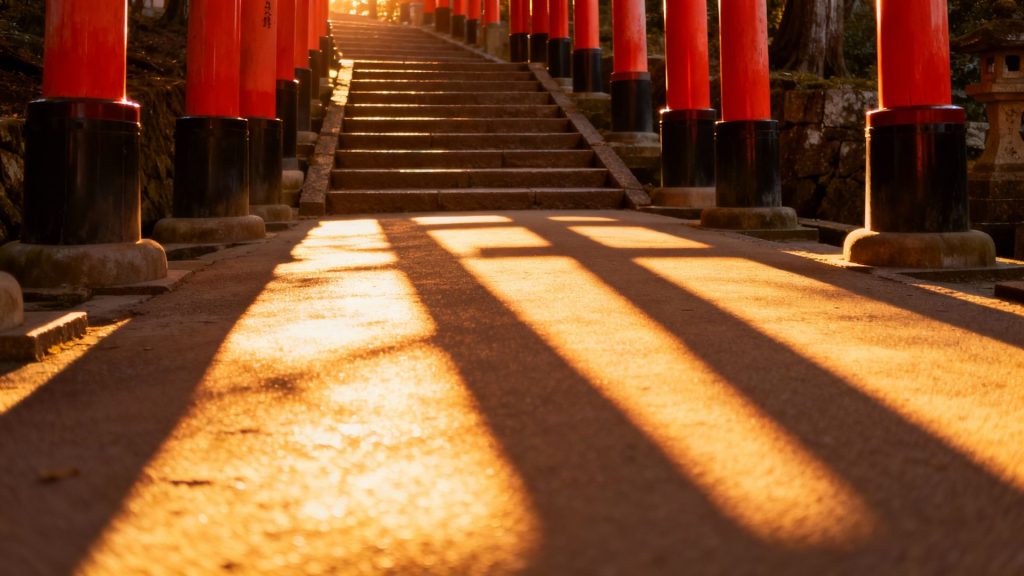
The core of this sacred landscape lies in its thousands of torii gates, each a vibrant crimson arch donated by seekers of fortune, forming an unbroken tunnel that winds endlessly through the emerald embrace of the forest; sunlight filters through the lattice of wood, casting intricate, dancing shadows on the moss-covered stone path below, while the sheer scale of the gates—stretching for kilometers in a rhythmic procession—creates a visual symphony of color and form, where the bold red against the lush green evokes a timeless harmony that shifts with every step, inviting awe and introspection in equal measure.
Rooted in Shinto traditions dating back to the 8th century, Fushimi Inari serves as a sanctuary dedicated to Inari, the deity of abundance, with the torii gates symbolizing the sacred threshold between the mundane and the divine; each gate stands as a testament to enduring faith, embodying prayers for prosperity that have echoed through generations, while stone foxes—guardian messengers—dot the trails, their silent presence weaving a narrative of cultural continuity, where the landscape itself becomes a living archive of devotion, reflecting how nature and human reverence intertwine to sustain a spiritual legacy that transcends time.
Throughout the day, the shrine undergoes a subtle metamorphosis: morning mists cloak the gates in mystery, yielding to the golden warmth of afternoon that highlights the weathered textures of wood and stone; in autumn, the forest erupts in fiery hues of maple and ginkgo, complementing the gates’ brilliance, while spring brings a delicate blush of cherry blossoms that soften the crimson intensity; as dusk descends, paper lanterns flicker to life, casting a gentle, amber radiance that transforms the path into a corridor of contemplation, where the interplay of light and shadow invites reflection on the ephemeral beauty of existence.
To fully embrace this sensory tapestry, wander slowly and mindfully: feel the cool, uneven stones beneath your feet, listen to the rustle of leaves stirred by a mountain breeze, and inhale the purity of air scented with pine and distant incense; observe how the shifting light paints the gates in ever-changing shades, from deep ruby to soft coral, and pause at smaller shrines adorned with offerings of rice and sake, where the simplicity of ritual awakens a profound connection to the land, guiding you to engage all senses in a dance with the environment that feels both intimate and universal.
Fushimi Inari transcends mere sightseeing, emerging as a pilgrimage through layers of memory and spirit; as you descend, the gates recede like fading echoes, yet their essence lingers—a poignant reminder that true travel is not about conquering destinations, but about discovering reflections of our own stories in ancient stones, where the quiet wisdom of the mountains whispers that in embracing the past, we find a deeper resonance with our present journeys, and the timeless landscapes become mirrors to the human soul.