Where Time Whispers Through the Olive Groves: A Journey into Tuscany’s Timeless Heart
Amidst Rolling Hills and Ancient Stones, the Soul of Italy Unfolds in Sun-Drenched Silence and Rustic Charm
Dawn breaks over the Val d’Orcia like a sigh of contentment, painting the undulating hills in molten gold. The first light catches the dew-kissed cobwebs strung between cypress trees, their slender silhouettes standing sentinel over vineyards that ripple like emerald waves. Here, the air carries the scent of sun-warmed earth and wild thyme, a fragrance so potent it dissolves the boundaries between memory and moment. Distant church bells chime across the valleys, their bronze notes echoing through centuries, while the crunch of gravel underfoot becomes a metronome for the unhurried heartbeat of this land. In this Tuscan morning, time doesn’t march; it lingers, stretches, and settles into the creases of the landscape like well-worn leather.
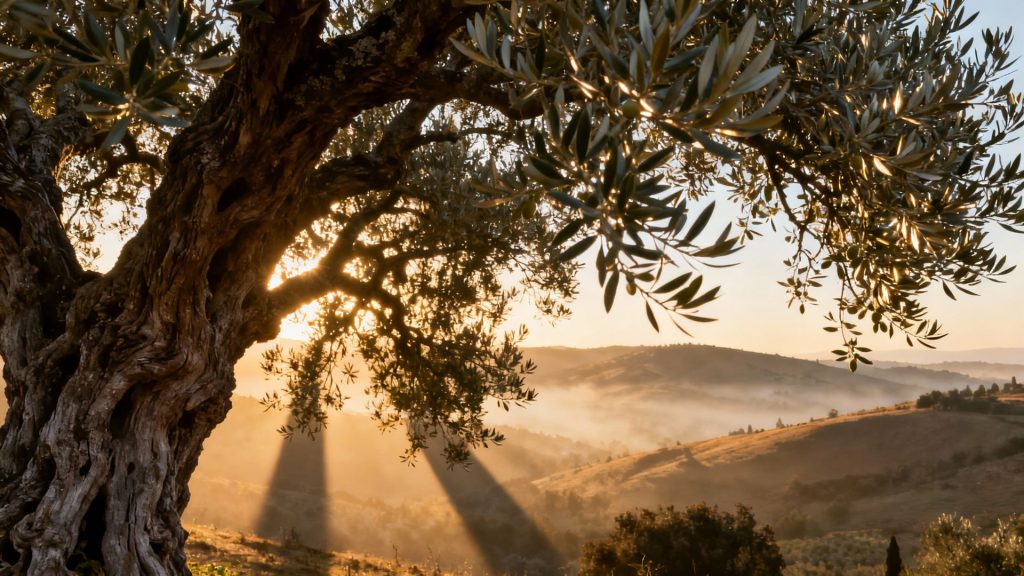
The soul of Tuscany reveals itself in geometries both wild and deliberate. Silver-green olive groves cascade down slopes in precise rows, their gnarled trunks bearing witness to generations. These ancient trees twist toward the sun like arthritic fingers grasping for light, their leaves shimmering with a metallic sheen in the midday breeze. Between them, sunflowers turn their faces in silent devotion, golden halos against the ochre soil. Stone farmhouses perch atop hills, their terracotta roofs glowing like embers against the azure sky. These structures aren’t imposed upon the land but grow from it, built with local pietra serena that whispers tales of medieval masons who understood harmony between earth and dwelling.
Human presence here feels like a gentle footnote in nature’s manuscript. Dry-stone walls ribbon through the countryside, assembled without mortar by hands that knew the weight and balance of each rock. They speak of a dialogue between necessity and artistry, where every curve accommodates the land’s contours. At twilight, the landscape transforms into a Caravaggio painting – long shadows carve dramatic contrasts across fields while farmhouse windows glow like scattered topaz. The evening air carries the crackle of wood fires and the faint tang of fermenting grapes, scents that weave through the senses like threads in a Renaissance tapestry.
Seasons perform their quiet ballet across these hills. Spring arrives in a riot of poppies staining the fields crimson, while summer bakes the earth into a mosaic of gold and umber. Come autumn, vineyards blaze with fiery hues, their leaves mirroring the sunset as fog creeps through valleys like liquid silver. Winter brings its own stark beauty, when morning frost etheres the vines and smoke curls from chimneys into the crisp air. Each transformation feels less like change and more like the landscape breathing, revealing new facets of its eternal character.
To experience Tuscany is to engage all senses in slow revelation. Walk country lanes where wild fennel brushes your ankles, releasing its licorice perfume. Taste pecorino cheese aged in caves, its sharpness mellowed by a drizzle of local honey. Feel the texture of sun-warmed stone benches beneath your palms in abandoned monastery courtyards. Listen for the rustle of pheasants in the brush or the distant clang of a blacksmith’s hammer – sounds preserved like insects in amber. The rhythm here invites participation, not observation; it asks you to match your footsteps to the cadence of the land.
In Tuscany’s embrace, one doesn’t merely visit geography but communes with continuity. These hills hold the weight of centuries in their curves, yet remain light with the possibility of each new sunrise. Travelers become temporary stitches in a fabric woven long before their arrival and destined to endure beyond their departure. The landscape doesn’t demand nostalgia; it simply exists as a mirror to our own yearning for connection, for permanence, for the quiet understanding that some beauties transcend time. Here, in the dappled light beneath ancient olive trees, we remember not a specific past, but the universal language of belonging.