Venice Unfolds: Where Canals Whisper Secrets Only Water Remembers
In the Floating City, Every Ripple Mirrors Centuries of Silent Stories, Inviting You to Wade into Your Own Forgotten Eddies
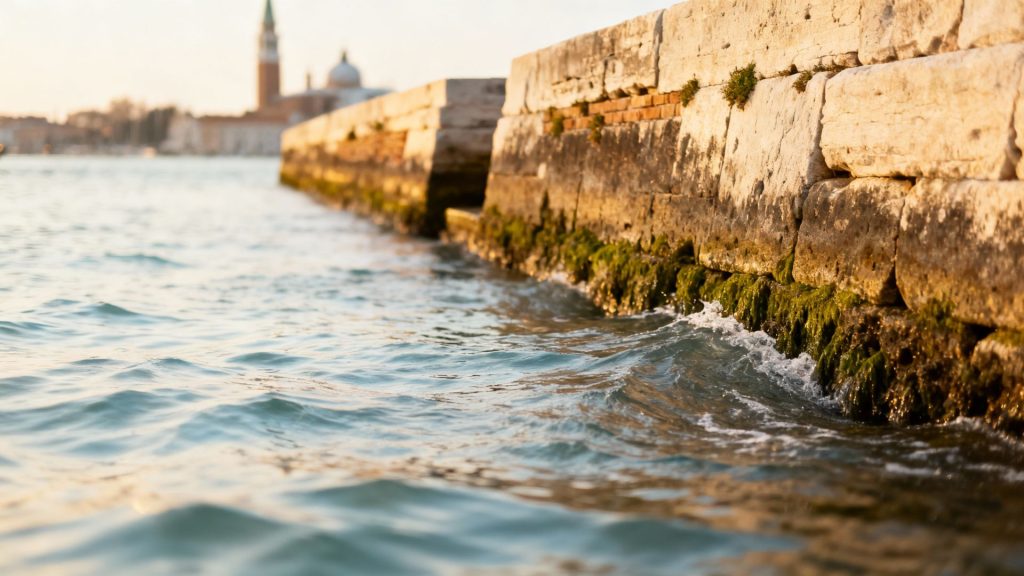
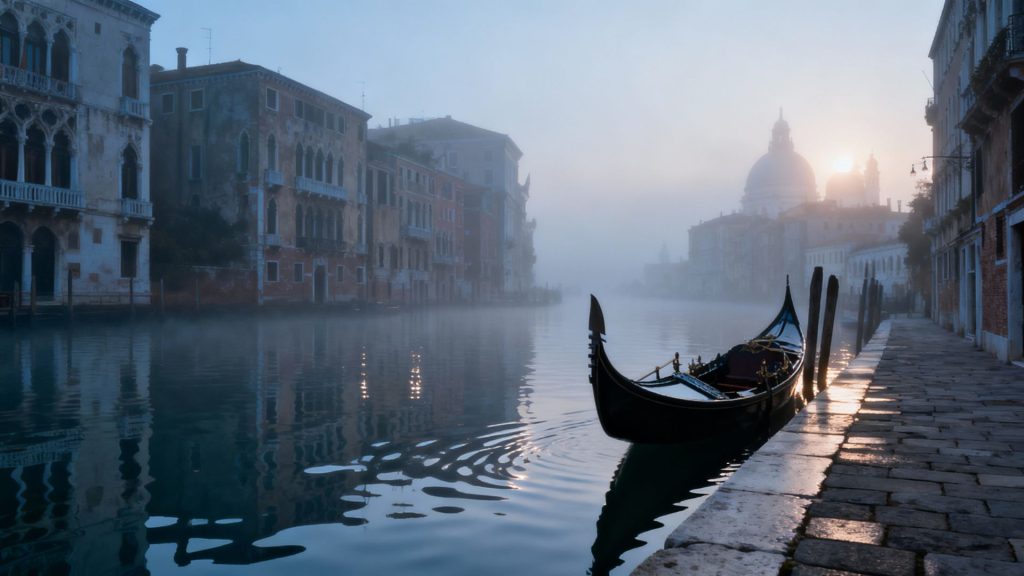
Dawn breaks over Venice like a slow, deliberate sigh, the first light catching on the Grand Canal’s surface, turning it into a liquid tapestry of gold and shadow. Mist curls from the water, wrapping ancient palazzos in a soft embrace, while the distant chime of a church bell drifts through the stillness, a reminder that time here flows not in hours but in the gentle lapping against moss-covered stones. Step onto a quiet fondamenta, and the city envelops you—the cool dampness of the air, the faint scent of brine mingled with aged wood, the way reflections ripple and dissolve, creating a world where past and present blur. This is not a place to be told of nostalgia; it unfolds in the quiet moments, as if the water itself holds memories waiting to surface in your own mind.
The heart of Venice lies in its serpentine canals, where gondolas glide like silent sentinels beneath arched bridges that stitch together islands of history. Each bridge, from the Rialto to lesser-known crossings, frames vistas of ochre and terracotta buildings, their facades weathered by salt and centuries, leaning precariously as if sharing secrets. Along the narrow calli, sunlight filters through gaps, casting patterns that dance on cobblestones worn smooth by countless footsteps. Here, the architecture is a dialogue with water—flooded piazzas during acqua alta, foundations built on wooden piles driven deep into the lagoon. It speaks of resilience, of a city that breathes with the tides, its beauty not in grandeur alone but in the intimate scale that makes every turn a discovery, echoing the way forgotten corners of our own lives resurface unexpectedly.
Venice’s soul is etched in its human imprint, a testament to centuries where life adapted to the ebb and flow of the lagoon. The tradition of gondola craftsmanship, passed down through generations, reflects a harmony with nature—each boat shaped to navigate tight turns, its black hull a symbol of elegance born from necessity. In the quiet squares, locals gather for espresso at unassuming bacari, their conversations a low hum that blends with the splash of oars. This is not about invented tales but the enduring spirit of a community defined by water, where festivals like the Regatta Storica celebrate history with vibrant pageantry, yet leave room for personal reflection. The city whispers of impermanence, its stones telling stories of empires risen and fallen, inviting you to ponder the fleeting nature of all things, much like the memories we hold dear.
As the day unfolds, Venice transforms—morning’s soft glow yields to the harsh brilliance of noon, when sunlight bounces off canals, turning them into mirrors that amplify the city’s colors. By dusk, the light softens again, painting buildings in hues of rose and amber, while shadows lengthen and the water takes on a deeper, more introspective blue. Seasons bring their own shifts: winter cloaks the city in mist and occasional frost, creating an ethereal silence; spring bursts with the scent of blooming wisteria; summer hums with the buzz of cicadas and the shimmer of heat haze; autumn wraps it in a golden melancholy, as falling leaves drift on the current. These changes are not mere backdrops but active participants, each phase a reminder of time’s passage, stirring the senses and evoking personal recollections of seasons past.
To experience Venice fully, engage all senses—listen to the rhythmic dip of oars, a sound as old as the city itself, or the distant echo of a violin from a hidden courtyard. Breathe in the damp, earthy aroma of wet stone after rain, or the sweet tang of fresh seafood at a market stall. Touch the cool, smooth marble of a bridge railing, or feel the gentle sway of a vaporetto on the water. Walk the less-trodden paths of Cannaregio or Dorsoduro, where quiet corners offer solitude for reflection. This sensory immersion doesn’t require guides; it’s in the way light catches a ripple, or the sudden hush of a canal at twilight, activating a deep, bodily memory of stillness you might have known long ago.
In the end, Venice is not just a destination but a mirror, reflecting the traveler’s own journey. Standing on a deserted quay as night falls, the city’s lights flicker like distant stars on the water, and you realize how its timeless flow mirrors the currents of your life—moments of joy, loss, and quiet contemplation. It invites you to carry its essence home, not as a souvenir, but as a lens through which to view your memories, reminding you that beauty and nostalgia are not imposed but discovered in the spaces between water and stone, where every visit becomes a part of your own unfolding story.