Whispers of Stone and Tide: Where Centuries Dissolve in Venetian Reflections
Beneath Bridges That Arch Like Sleeping Cats, Water-Lapped Steps Hold the Breath of Generations in a City Built on Liquid Dreams
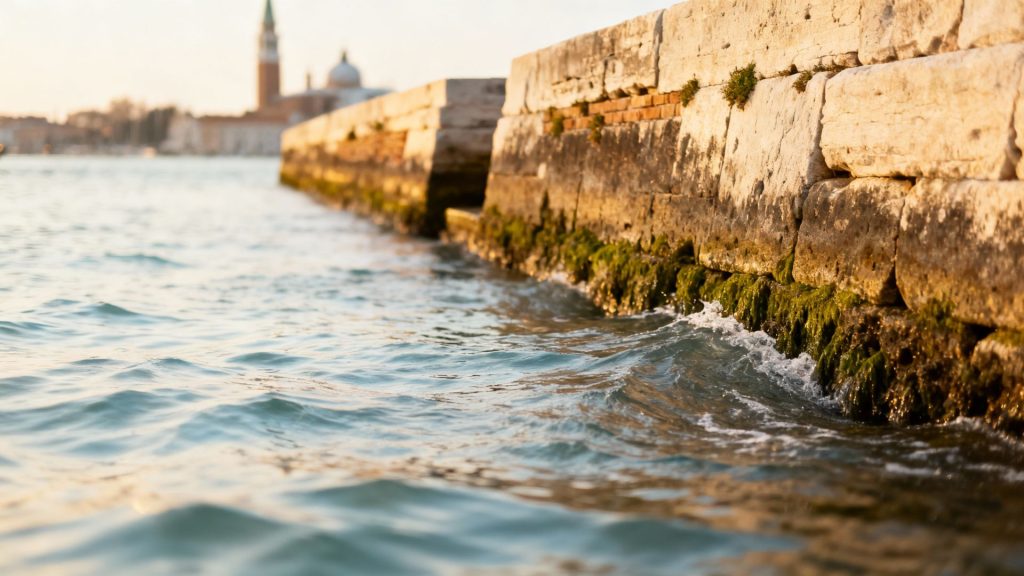
Dawn in Venice arrives as a soft exhalation, a veil of mist rising from the canals to embrace the weathered stones of palazzos that have stood sentinel for centuries. The city awakens not with a clamor, but with the gentle lapping of water against ancient steps, a sound that seems to seep into the very soul, stirring memories of a time when the world moved at the pace of a gondolier’s oar. Sunlight, pale and hesitant at first, gilds the crests of ripples, transforming the greenish water into molten gold as it illuminates facades painted in faded terracotta and ochre.
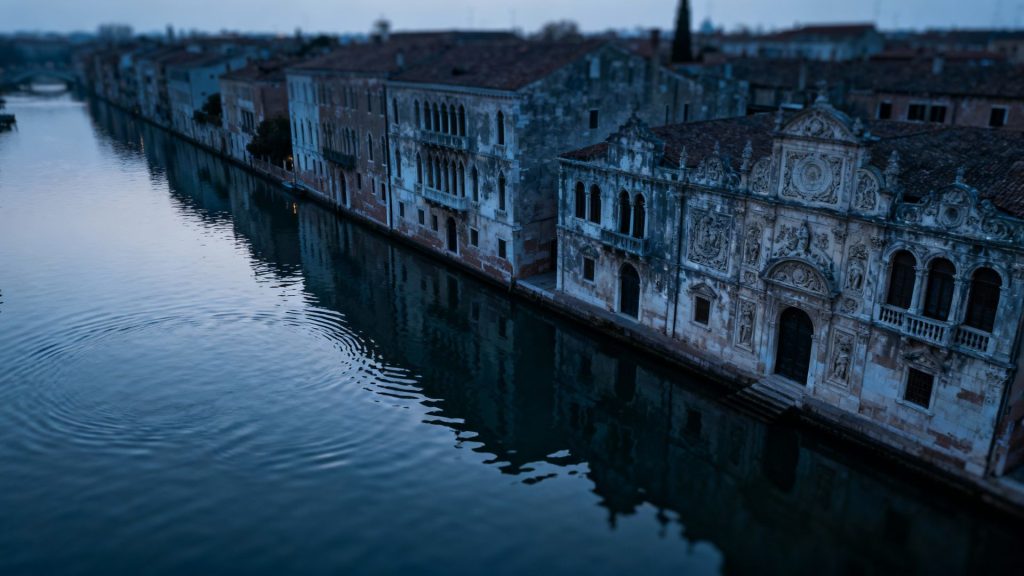
The Grand Canal unfolds like a liquid tapestry, its surface dancing with fractured reflections of Byzantine arches and Gothic windows. Gondolas glide silently as waterborne shadows, their polished black hulls cutting through the light, passing beneath bridges that curve like the backs of contented felines. Here, architecture isn’t imposed upon the landscape but emerges from it—doorways opening directly onto the water, foundations perpetually kissed by the tide, stone steps worn smooth by centuries of rising and receding waves that serve as liquid thresholds between worlds.
This is a city built on defiance, millions of alder pilings driven deep into the lagoon’s bed, creating an improbable forest that supports the weight of marble and history. The very stones whisper of salt-laden winds and the patient craftsmanship of hands that understood water not as adversary but as collaborator. Windowsills bear the watermark tattoos of seasonal floods, while brickwork reveals layers of repair like the rings of ancient trees, each patch a testament to resilience in the face of the relentless Adriatic.
As dusk descends, the light undergoes an alchemy—golden hour melting into violet, setting the western facades ablaze before surrendering to the velvet embrace of night. Lanterns ignite along the canals, their trembling flames casting liquid amber onto the inky water, transforming ordinary passageways into corridors of liquid light. Winter brings a different magic: the ethereal hush of acqua alta when the sea gently reclaims the piazzas, turning them into mirrors that double the grandeur of colonnades and campaniles beneath leaden skies.
To wander Venice is to engage in a sensory pilgrimage. The air carries the complex perfume of damp stone, salt, and distant seaweed, punctuated by the sudden sweetness of baking bread from hidden courtyards. Listen for the distant call of a gondolier echoing beneath a bridge, the hollow clap of water against a moored boat, the cathedral bells that roll across the lagoon like bronze waves. Feel the cool kiss of sea-moistened breezes in shadowed calli, the sun-warmed smoothness of a marble wellhead beneath fingertips, the subtle vibration of waterborne footsteps transmitted through stone foundations.
In this aqueous labyrinth, time doesn’t march but eddies. The play of light on a crumbling fresco, the way afternoon shadows pool in silent campi, the endless conversation between stone and tide—these become mirrors for our own passages. Venice asks not for nostalgia but presence, inviting us to trace the waterlines on ancient walls as we might trace the lines on a loved one’s face, recognizing in its weathered beauty a profound dialogue between ephemeral moments and enduring stone, between the journeys we take and the tides that shape us all.